Oxbow Trail © 2012 Oxbowtrail.com



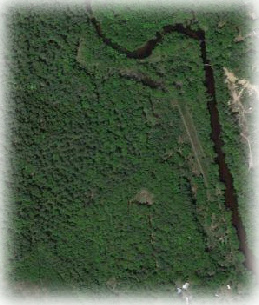
Ox·bow [oks-
Physical Geography, Geology .
a.
a bow-
b.
Also called oxbow lake. a bow-
It does not appear that any record was made of aboriginal methods of tapping the
maple and converting its sap into sugar, nor is the oldest maple old enough to tell
us, though it had the gift of speech or sign-
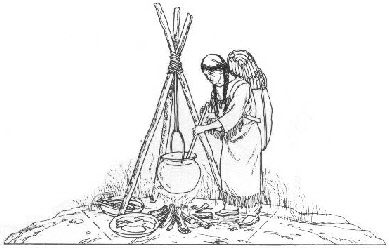
The true story of the discovery of maple-
down on a bearskin, and began embroidering a pair of moccasins with variously dyed
porcupine quills. This was a labor of love, for the moccasins, of the finest deerskin,
were for her lord. She became so absorbed in the work that the kokh was forgotten,
till the bark cord that suspended it was burned off, and it spilled its contents
on the fire with a startling, quenching, scattering explosion that filled the wigwam
with steam and smoke. She lifted the overturned vessel from the embers and ashes
by a stick thrust into its four-
Happily, she bethought her of the great maple behind the wigwam, tapped merely for the provision of a pleasant drink, but the sweet water might serve a better purpose now. So she filled the kokh with sap, and hung it over the mended fire. In spite of impatient watching it presently began to boil, whereupon she popped the ample ration of moose meat into it, and set a cake of pounded corn to bake on a tilted slab before the fire. Then she resumed her embroidery, in which the sharp point of each thread supplied its own needle.
The work grew more and more interesting. The central figure, her husband's totem
of the bear, was becoming so lifelike that it could easily be distinguished from
the wolves, eagles, and turtles of the other tribal clans. In imagination she already
beheld the moccasins on the feet of her noble Woksis; now stealing in awful silence
along the war-
heeded, the shadow crept past the mark, the kokh boiled low, and the cake gave forth a smell of burning. Becoming aware of this obvious odor, she sprang to the fire. Alas, the cake was a blackened crisp, and lo, the once juicy piece of meat was a shriveled morsel in the midst of a gummy dark brown substance I
She snatched kokh and cake from the fire, and then, hearing her husband coming, she ran and hid herself in the nearest thicket of evergreens ; for she knew that when he found not wherewith to appease the rage of hunger he would be seized with a more terrible one against her. Listening awhile with a quaking heart, and catching no alarming sound, but aware instead of an unaccountable silence, she ventured forth and peeped into the Wigwam. \Voksis sat by the fire eating with his fingers from the kokh, while his face shone with an expression of supreme content and enjoyment. With wonder she watched him devour the last morsel, but her wonder was greater when she saw him deliberately break the earthen pot and lick the last vestige of spoiled cookery from the shards. She could not restrain a. surprised cry, and discovering her he addressed her:
“ O woman of women ! didst thou conceive this marvel of cooker-
Being a woman, she had the wit to withhold the exact truth, but permitted him to believe whatever he would.
" Let me embrace thee ! ” he cried, and upon his lips she tasted the first maple sugar.